+359 883 333 797


When can I receive compensation as a passenger in a car accident?


If you are a passenger in a car and get into traffic accident, you are entitled to monetary compensation for all damages suffered – regardless of whether the driver in whose car you are traveling is at fault or not. It is important to know, however, that there are exceptions to this. The Insurance Code – Art. 408
(1) The insurer may refuse to pay compensation only:
- upon intentional causing of the insured event by a person entitled to receive insurance compensation;
- in the event of intentional causing of the insured event by the insurer with the aim of obtaining insurance compensation from another person;
- in the event of failure by the insured to fulfill an obligation under the insurance contract, which is significant in view of the insurer's interest, was provided for by law or in the insurance contract and led to the occurrence of the insured event;
- in other cases provided for by law.
(2) In the cases under para. 1, item 1 of the Insurance Code, when a third beneficiary has intentionally caused the insured event without the knowledge and participation of the insured or other beneficiaries, the compensation shall be paid to the other beneficiaries, and if there are none – to the insured or his heirs. In the event of payment of insurance compensation under sentence one, the insurer shall subrogate to the rights of the insured against the person who intentionally caused the insured event. "The reduction shall be determined individually, according to the specific circumstances – for example, whether the seat belt would have prevented or limited the severity of the injuries."„
It is important to clarify that not wearing a seat belt can be considered complicit behavior in every case. In practice, it is a matter of specifics and a causal relationship between the harm and this behavior.
„"You don't need to prove guilt - the important thing is to establish that you were injured as a passenger in the accident."“
If the vehicle is registered abroad, its insurer in the relevant country is responsible, with communication being carried out through a correspondent insurer in the Republic of Bulgaria. More information here.
It is important to be informed about your rights, the deadlines for filing a claim, and the steps to take to receive fair compensation from the insurer.
In what cases are you entitled to compensation?
If you have been injured in a car accident, you may be able to claim compensation for bodily injury, pain and suffering, the need for treatment or rehabilitation, loss of income, temporary or permanent disability, and psychological trauma (such as anxiety or post-traumatic stress disorder). The law recognizes both material and non-pecuniary damages, and provides that they will be compensated through the at-fault driver's third-party liability insurance.
The obligation to wear a seat belt
Wearing a seat belt is not only a safety issue, but also a legal obligation. If you were not wearing a seat belt in a car accident and suffered injuries, this may be considered as contributing to the damage. In these cases, you are entitled to compensation, but its amount may be reduced in view of the fact that you contributed to the severity of the consequences. The reduction is determined individually, according to the specific circumstances – for example, whether a seat belt would have prevented or limited the severity of the injuries.
You can read more on the topic here: Complicity – when the injured party is also at fault for the damage
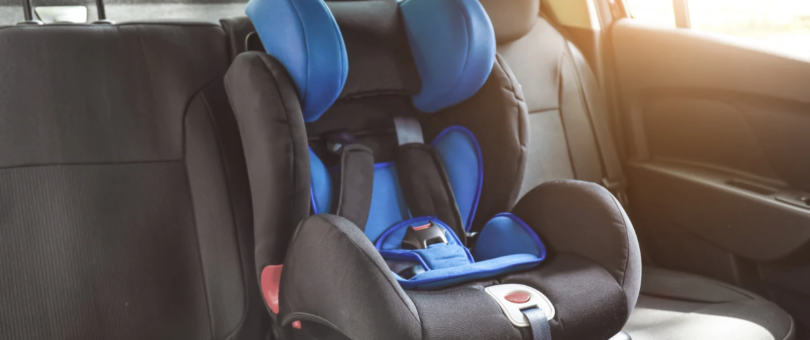
What if a child is not wearing a seatbelt?
When a child is a passenger in a car and is not secured with a seat belt or an appropriate child restraint, the issue becomes particularly sensitive. In these cases too, the principle of contributory negligence may apply, taking into account the age of the child and the responsibility of the driver or guardian. This may also lead to a reduction in compensation, even if the child is not at fault per se.
The topic is discussed in detail in the following article: Compensation in a car accident with a child not wearing a seatbelt – what we need to know
Who pays the compensation?
The compensation is paid by the "Civil Liability" insurer to the at-fault driver. If the at-fault driver is uninsured or unknown, the liability may be assumed by the Guarantee Fund. You do not need to prove guilt - the important thing is to establish that you were injured as a passenger in the accident.
What does the compensation cover?
Monetary compensation may include medical expenses, pain and suffering, lost earnings, treatment and rehabilitation costs, moral damages, permanent disability, psychological support, as well as benefits for loved ones in the event of the death of a passenger.
Deadlines for filing a claim
The deadline for filing a claim against the insurer is 5 years from the date of the accident. At claim against an individual (e.g. the driver) the period is 3 years. In cases where the accident represents crime, the deadlines may be longer – 10 or more years, depending on the qualification of the act.
The sooner you seek legal help, the more effective your defense will be and the easier it will be to gather evidence.
What to do immediately after a car accident?
Seek medical attention, even if symptoms are mild. Find out who the driver of the vehicle is and who his insurer is. Request a copy of the traffic police report or the investigating authorities. Collect all medical documents, prescriptions, and invoices. Contact a lawyer who specializes in legal protection in traffic accidents.
Do you need help from a lawyer?
In many cases, insurance companies offer amounts that are significantly below what is actually due. Consultation and assistance from an experienced insurance law attorney can help you obtain the real value of the compensation. The attorney will prepare the necessary documentation, negotiate with the insurer and, if necessary, defend your rights in court.
If you were injured as a passenger in a car accident, you have the right to compensation - even when you are close to the driver or do not know who is at fault. The lack of a seat belt can affect the amount of compensation, so responsible behavior is important not only for health, but also for legal protection. In the event of an accident, do not delay your actions - deadlines are decisive, and the timely intervention of a lawyer is of key importance for the success of the procedure.

To help us assess the case faster, prepare the key facts before you submit:
- When and where the incident happened.
- What exactly happened and who was involved.
- What injuries, treatment or material damages followed.
- Whether you have documents such as reports, medical papers, photos or insurance information.
Have you been involved in an accident and entitled to compensation?